Home loans stop at four units. Once you’re buying a five-unit apartment building, a strip center, a warehouse, a piece of land or the building your own business runs out of, you’re in commercial lending, and the rules change.
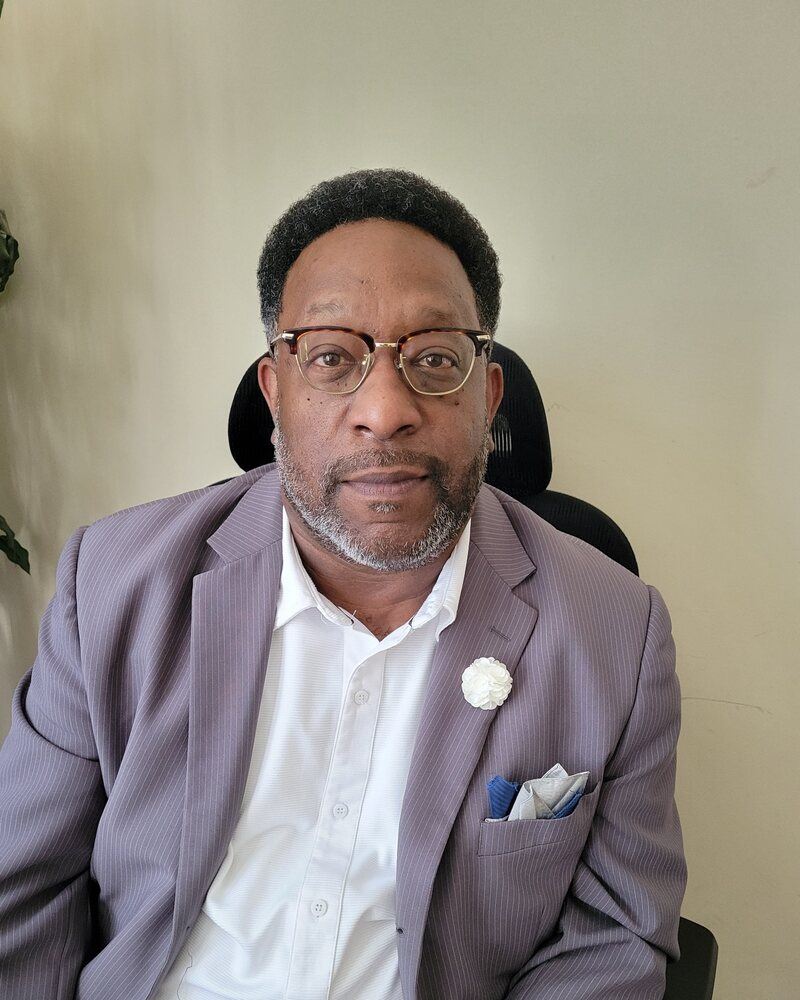
I’m Frank Burks II. Most people know me for home loans, but through NEXA I have access to commercial, SBA, land and bridge financing too. Here’s a straight walkthrough of how commercial loans work in Middle Tennessee, so you know what lenders look for before you make an offer.
What Counts as a Commercial Loan?
Commercial lending covers property that produces income or houses a business:
- Multifamily: apartment buildings with 5 or more units
- Mixed-use: retail or office downstairs, apartments upstairs
- Retail, office and warehouse space
- Owner-occupied business property: the building your company works out of
- Land: raw or improved lots for future building
- Bridge loans: short-term financing to buy or reposition a property
Rentals with 1 to 4 units usually fit residential investor loans instead, like the ones in my DSCR Investor Guide.
How Commercial Loans Are Different From Home Loans
The property does most of the qualifying. Lenders look hard at the property’s net operating income compared with the loan payment. That’s called debt service coverage, and many lenders want it around 1.20 to 1.25 or better.
Your experience matters. Lenders want to know you, or your team, can run the property.
Shorter terms, longer payoff schedules. A common setup is a 5-, 7- or 10-year term with payments based on a 20- to 25-year schedule, which means a balloon payment or refinance at the end of the term.
Prepayment penalties are common. Paying off early can cost a fee, so the term you choose matters.
More paperwork on the property. Rent rolls, operating statements, leases, an appraisal and sometimes an environmental report.
SBA Loans: Lower Down Payments for Business Owners
If your business will occupy the building, SBA financing deserves a look. SBA loans are partly guaranteed by the Small Business Administration, which lets lenders offer:
- Lower down payments, often as low as about 10% for owner-occupied property
- Longer terms than many conventional commercial loans
- Financing for the building, and in some cases improvements and equipment
Generally, your business needs to occupy most of the property to qualify. For a growing business in Smyrna, La Vergne, Murfreesboro or Nashville, owning your space instead of paying rent can build real equity.
Land Loans
Buying land to build on later? Land loans are their own animal:
- Down payments are usually higher than for buildings
- Terms are often shorter
- Lenders care about zoning, road access, utilities and your plans for the lot
If you’re buying land to build a home, a one-time close construction loan may be a better fit. See my Construction Loan Guide.
Bridge Loans: Speed When You Need It
A bridge loan is short-term financing, often 6 to 36 months, frequently with interest-only payments. Investors use bridge loans to:
- Close fast on a deal before the competition
- Buy a property that needs work before it qualifies for long-term financing
- Reposition or lease up a building, then refinance into a permanent loan
Bridge money usually costs more than long-term financing. It’s a tool, and it works when there’s a clear plan to refinance or sell.
What to Have Ready Before You Call
- The property address, asking price and a description
- Current rent roll and leases, if it’s income property
- Two to three years of the property’s operating statements
- Your real estate experience and a summary of properties you own
- Personal financial statement and recent business financials, for owner-occupied deals
- Your plan for the property: hold, renovate, lease up or occupy
Let’s Look at Your Deal
Commercial deals are all different, so the best first step is a conversation. Send me the property and your plans, and I’ll tell you which financing paths fit, roughly what down payment to expect and what the lender will want to see. Already own commercial property? Refinance and cash-out options are on the table too.
Book a free 15-minute call, or call or text (615) 364-5700.